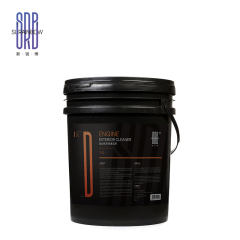
Product Overview
An engine bay collects a film that ordinary washing leaves behind: oil mist around the breather, road dust baked onto the block, grease at the sump, tar flicked up from fresh asphalt. This car wash engine cleaner is built for that surface. It lifts oil, grease, dust and tar off the metal, then rinses away without leaving an oily film behind, and it works on the outside of the engine and on the parts around it. Because so much of what a workshop buys in car care supplies is diluted before use, the neat format is a practical relief: nothing to measure, nothing to get wrong when several technicians share one wash point, and no part-mixed drum going stale at the back of the bay. The job runs spray, dwell, agitate, rinse, and the last of those is the only point where water enters the process. Used-car and trade-in work is where the difference shows most. A grimy bay makes a low-mileage car look neglected, and buyers read it that way; a bay that has been degreased properly photographs clean, smells neutral and takes a plastic dressing evenly. For a dealership or a resale operation it is one of the cheapest ways to change the first impression of a car, and the appropriate car cleaner for that job is the one that removes the film without harming what sits under it. For buyers who compare car wax manufacturers on consistency rather than on price per litre, the same reasoning applies to an engine cleaner: the production base behind the pail is the whole point.
Key Features
- Reaches the bottom of the soil — the stripping agent penetrates the dirt layer instead of sitting on top of it, so oil, dust and tar release from the metal rather than being pushed around the surface.
- Rinses clean in one pass — once the rinse water has carried the product away there is no oily residue left to wipe down, so the bay is finished without a follow-up wash.
- A dedicated car detailing cleaner — it is made for engine-bay work, so it can live on the bay trolley and stay out of the wash bucket, where a car wash cleaner belongs.
- Runs on the tools you already own — a trigger sprayer, a detail brush and a hose or pressure washer are the whole kit: no foam cannon, no hot-water machine, no extra tank.
Batch Records & After-Sales
Every batch is filled against a recorded batch number, with retained samples kept on file. The same record set covers the wax and coating lines we produce as a car wax manufacturer, so if a question comes up about a delivery months later, we can set the sample you received next to the one we kept and compare them directly rather than working from memory.
The approved sample, the written specification and the label version you signed off are the reference for that comparison. Keep them sealed, identified and out of working stock, and check each delivery against them; it is the routine we apply across the car care products we fill, and it is what makes a repeat order a check rather than a gamble.
Storage matters as much here as with any solvent. Keep the pail closed, out of direct sun and away from ignition sources, use the product in a ventilated bay, and never decant it into an unmarked bottle that another technician might take for a water-based car wash cleaner.
If a delivery is not right, send the batch number, the affected quantity, photos or video and a short note on how it was stored and used. Packaging, leakage and shortage issues should reach us within 7 days of receipt, and quality concerns within 30 days, so the batch can be checked against the retained sample while the trail is still fresh.
Formulation & Surface Tolerance
The formula reads short: a comprehensive solvent, an emulsifier and a grease-stripping agent in a liquid base. The solvent is the carrier, soaking into the soil and softening the bond between the dirt and the metal. The stripping agent does the breaking, which is why oil, dust, grease and tar come away in sheets instead of smearing across a casting. The emulsifier has no role at all until water arrives, and that delay is deliberate.
That delay is also what separates this product from a car wash cleaner. A wash product is built around water and lubrication: it is diluted at the bucket or the foam lance and it works on paint, where the soil is light and wash marks are the risk. An engine bay is a different problem, and a diluted product loses the bite it needs on baked-on grease, which is why this one goes on neat and water is held back until the rinse.
Painted panels, polished trim and anything you cannot identify are a different matter. Keep the spray off them, or test a hidden area first and check the result once it has dried. If you are working on an unusual material, ask us before you start rather than after.
Buyers sometimes ask which car cleaner to use for an engine bay, and the honest answer is that it depends on the soil rather than on the label: light dust on a well-kept car is one job, a fifteen-year-old block weeping oil is another. This product is aimed at the second.
Where It's Used
- Trade-in and used-car preparation — the bay is what an inspector sees with the bonnet up, and a degreased block turns a scruffy part-exchange into a car that looks maintained. This car wash engine cleaner does that without a steam cleaner.
- Dealership pre-delivery — cars arriving from a compound or a long transporter run pick up dust and road film underneath; a bay clean before handover is a small job with a visible payoff for the customer.
- Detailing bay add-on service — an engine bay clean sells easily next to a wash and interior job, and it needs nothing beyond a sprayer and a brush, which makes a car detailing cleaner a straightforward line to add to an existing menu.
- Fleet, rental and taxi workshops — high-mileage vehicles collect oil mist and road grime faster than private cars, and a bay that is cleaned at every service is far easier to inspect for leaks.
- Wash operators and re-sellers — businesses that already stock car care products can carry one more line without adding a supplier, a document set or a contact.
- Distributors building a range — engine-bay work is one item among many, and taking it from the same car wax manufacturer that supplies the wax and coating lines keeps the order, the paperwork and the batch record in one place.
Application Steps
- Let the engine cool, open the bay up for ventilation, and put on gloves and eye protection. Keep a trigger sprayer aside for this product only, so it never carries a water-based mix.
- Keep water off the bay until you are ready to rinse. Cover or work around the air intake, fuse box, exposed connectors and any open breather rather than spraying through them.
- Spray the product neat onto the surface, starting at the dirtiest area and working outward. Do not mix it with water, and do not top up a part-used sprayer with a different product.
- Let it dwell long enough to soften the soil. If the bay is warm, work in sections so the liquid does not dry on the surface before you rinse it.
- Agitate the heavy areas with a detail brush: cast covers, hose runs, brackets, the sump face and the inner wings. Wet the brush with product, not with water.
- Rinse thoroughly. This is the stage the formula is built around: the product emulsifies into the water and runs off with it, so keep rinsing until the water leaving the panel is clear.
- Repeat rather than wait. If tar or baked-on oil survives the first pass, spray those areas again and agitate; a longer dwell on a drying surface does more harm than a second application.
- Dry the bay and inspect before dressing. Once the surface is dry, plastics and hoses can be dressed with your usual car care products, and any remaining oil weep shows up clearly against clean metal.
Specifications
| Property | Detail |
|---|
| Product type | Solvent-based engine exterior cleaner |
| Form | Liquid, supplied ready to use |
| Composition | Comprehensive solvent, emulsifier and grease-stripping agent |
| Dilution | None; do not mix with water before use |
| Water contact | Held back during dwell, introduced at the rinse stage |
| Removes | Oil, grease, road dust and tar |
| Surface tolerance | Aluminium alloy, rubber and plastic parts |
| Residue after rinsing | Low; the product emulsifies into the rinse water |
| Typical surfaces | Engine block exterior, valve cover, hose runs, brackets, under-hood plastic covers |
| Application method | Trigger sprayer, brush agitation, water rinse |
Ordering, Packing & Delivery
- Send the brief: the kind of engine-bay work you handle, the market the goods ship to, the pack size you want to stock, the label language you need and any other car care supplies you want quoted on the same order. Minimum order quantity, price and payment schedule are confirmed in the quotation rather than assumed.
- Ask your sales contact about sample availability and the courier arrangement, then test the sample on a representative engine and approve the reference in writing before bulk production begins.
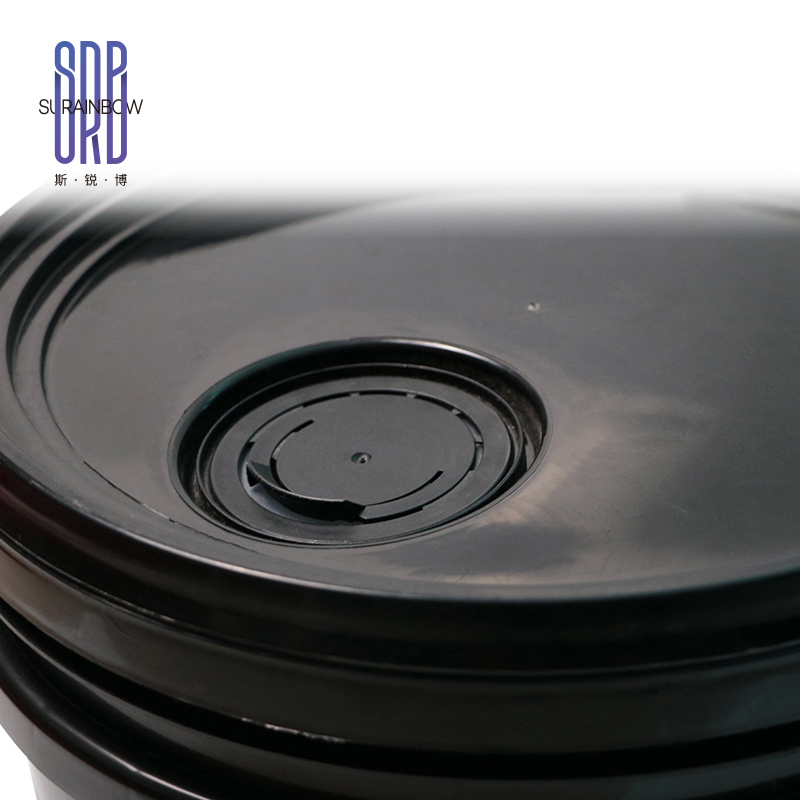
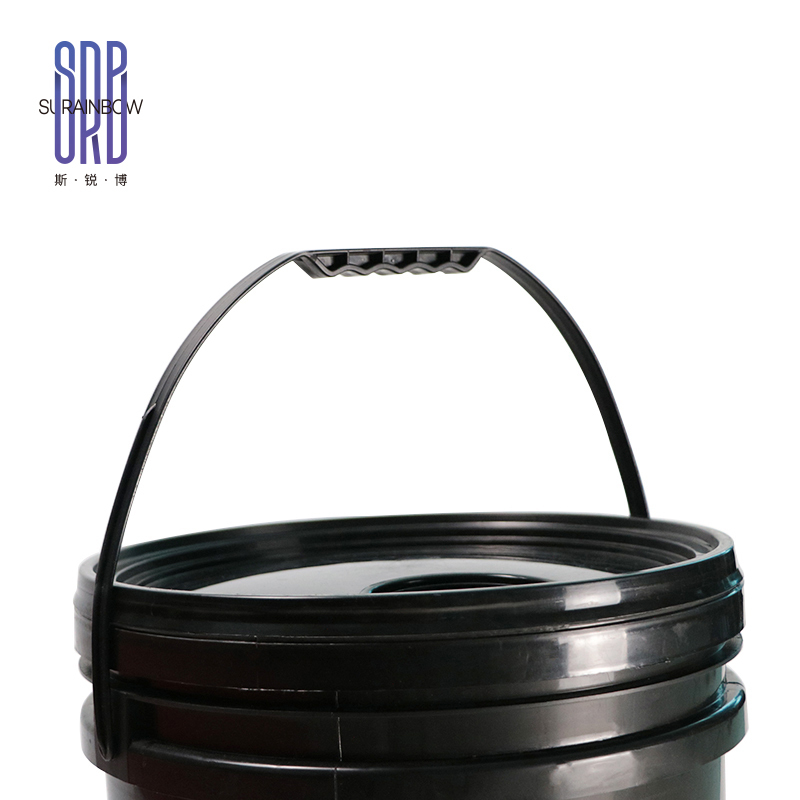
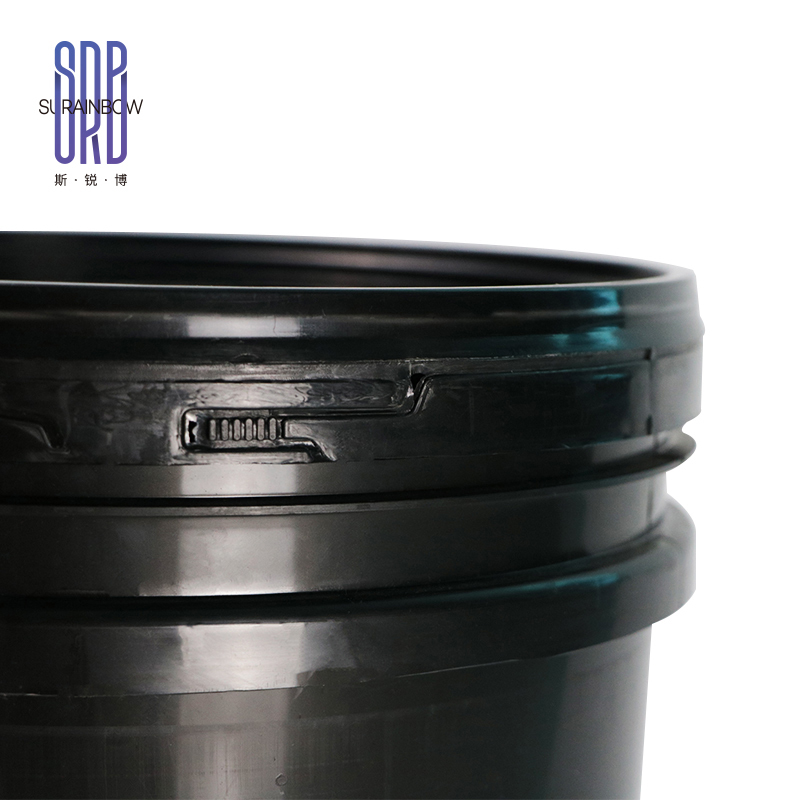
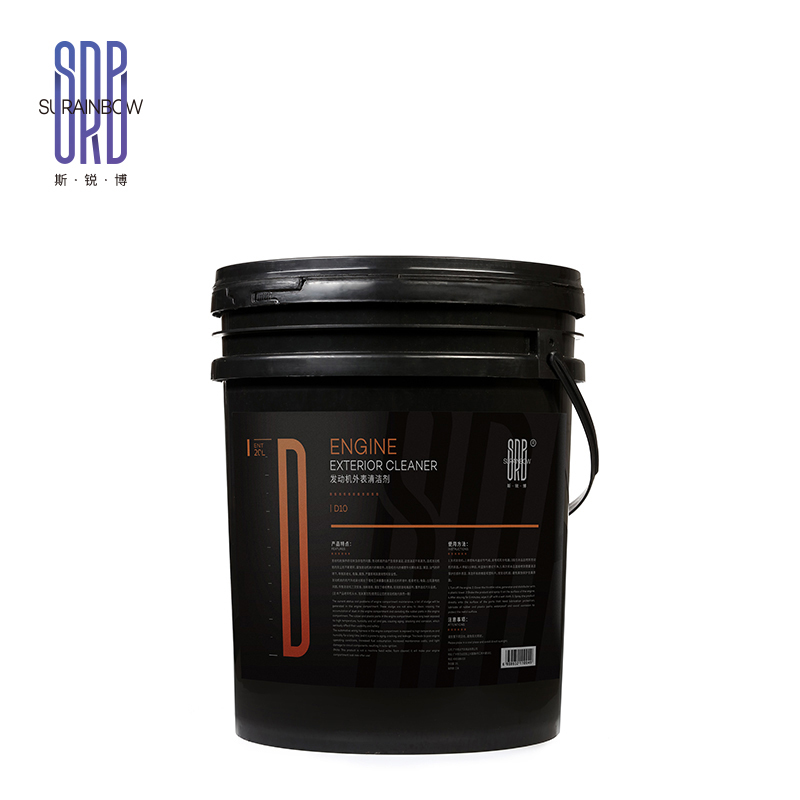
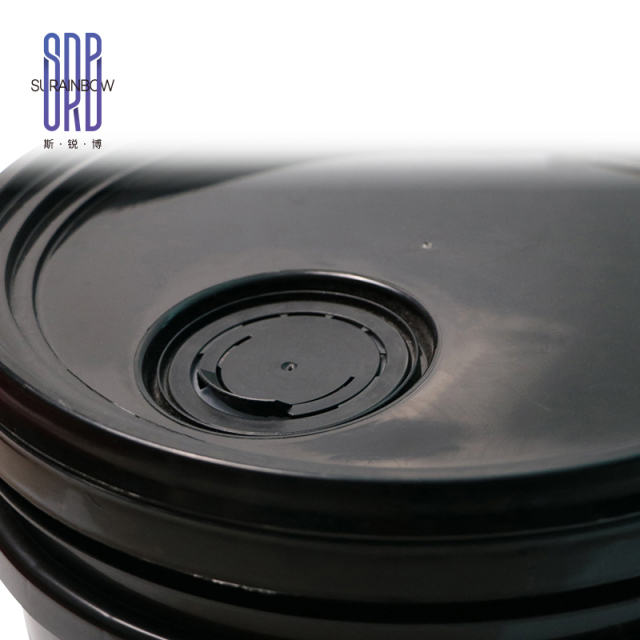
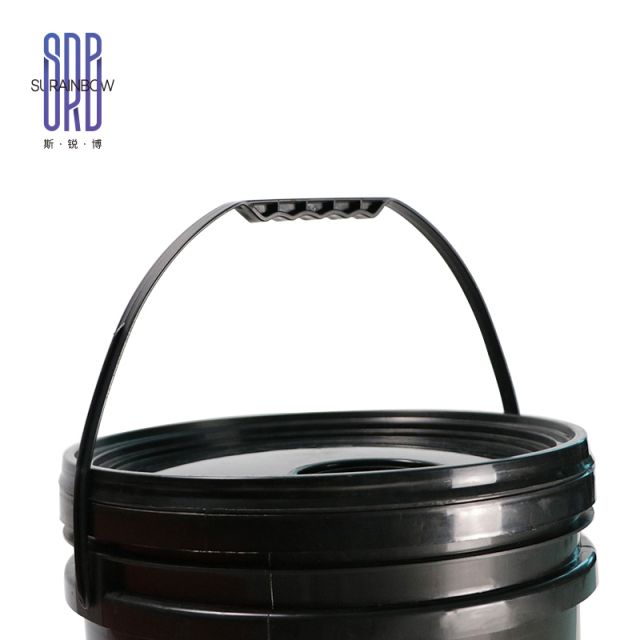
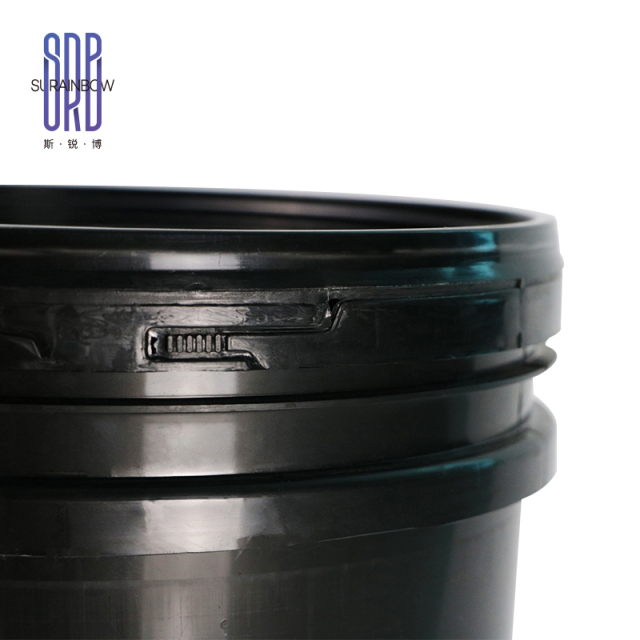
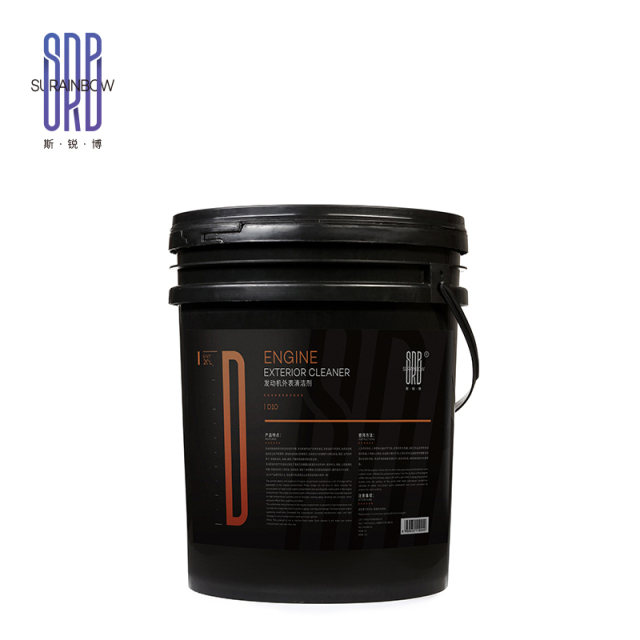
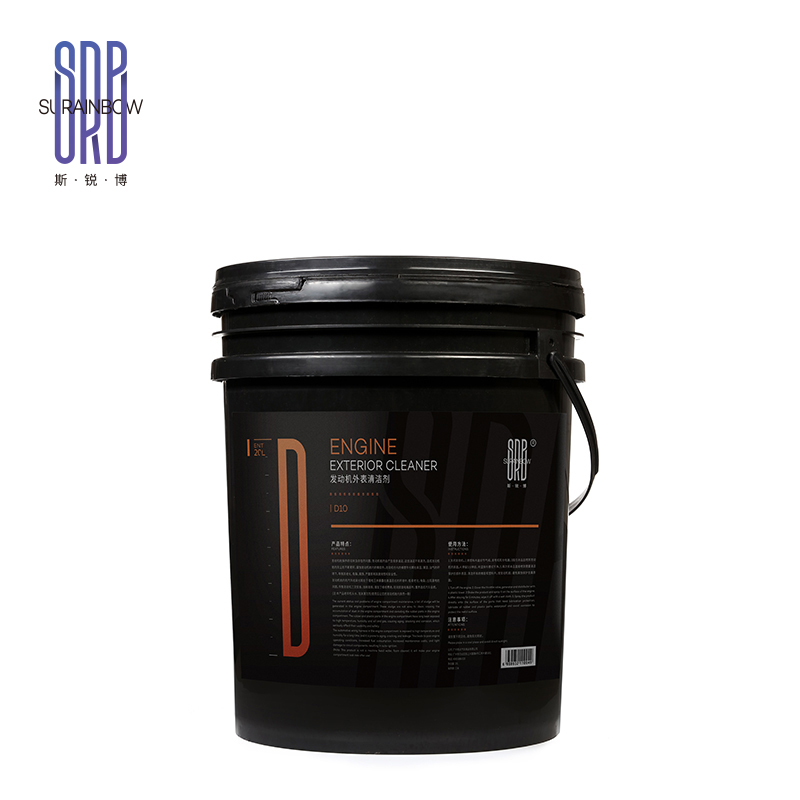
- Approve the pack before production. The pail, label artwork, warning text, barcode and carton marks are reviewed and signed off, and the product is supplied in a black plastic pail with a fitted lid and wire carry handle. Carton configuration is confirmed for each order.
- Settle the balance as agreed before shipment. Dispatch date, document set and consignee details are confirmed together so nothing stalls at handover.
- Agree the documents early. A safety data sheet, CoA where it applies, GHS label information, commercial invoice, packing list and customs paperwork can be prepared for the shipment; tell us the destination market at quotation so the exact list is confirmed. Solvent-based liquids may also need limited-quantity or dangerous-goods paperwork depending on carrier and volume.
- Shipping: In stock and fast shipping on the lines we hold, with sea, air and courier options quoted against your timeline.
- Mixed orders: as one of the car cleaning products manufacturers working out of Guangzhou, we fill this cleaner on the same site as the rest of the range, so a combined order stays on one document set and one batch record.
Scale & Supply Capability
SURAINBOW is run by Guangzhou Liangdian Automotive Supplies Co., Ltd., a factory-trade operation set up in Guangzhou in 2010 and now 50 people strong. Sixteen years in car care have given us a one-stop supply position: our own SURAINBOW lines are held in stock for fast shipping, and an associate factory with modern production equipment and an established quality management system keeps replenishment moving. We take OEM and ODM work and our R&D team develops to your specification. Buyers in the Middle East, the United States, Southeast Asia, Europe, the UK, Russia, Africa and Australia already order from us.
FAQ
Does this cleaner need to be diluted before use?
No. This car wash engine cleaner is used exactly as it comes and must not be mixed with water before application. Water is introduced only at the rinse, which is the point the formula is designed around: the product emulsifies into the water and leaves with it. Topping up a sprayer with water is the most common way to lose performance here — the solvent is weakened, the bite on baked-on grease drops, and the rinse stage leaves a milky film instead of a clean surface.
How far does one container go on engine-bay work?
There is no dilution ratio to build a figure around, so consumption follows the size of the bay and how much oil and tar is on it. A lightly soiled four-cylinder bay takes far less than a large, oily one that needs a second pass. Spray to wet the surface rather than to flood it, and expect heavy areas to take a second application instead of a heavier first one. Tell us roughly how many engine bays you handle a month and we can help you plan the quantity.
Is it safe on aluminium, rubber and plastic parts?
Yes, within the surfaces it is made for. The product is formulated so it does not readily corrode or age aluminium alloy, rubber and plastic components, which covers the cast covers, hose runs, seals and shrouds that make up most of a modern engine bay. Painted panels, polished trim and any material you cannot identify are a different matter — test a hidden area first, or ask us before you spray.
Will it remove heavy tar and baked-on oil?
Up to the point where the deposit has to be worked. The grease-stripping agent penetrates the dirt layer and breaks its bond with the metal, so oil, dust, grease and tar release instead of smearing. Heavy tar may need a second application with brush agitation; repeating the pass works better than leaving the first one on longer.
How is this different from the car wash cleaner I use on the body?
A body wash is designed to be diluted and to lubricate paint, where the soil is light and the risk is wash marks. An engine bay is oil mist, road grime and tar, and a diluted product loses the strength needed for that. This one is applied neat, held dry through the dwell and rinsed at the end, so the two products sit at different points in the same wash process rather than replacing each other.
Can it be used on a warm engine?
Let the engine cool first. On a hot surface the liquid evaporates faster, can dry before you rinse and leaves the result uneven, and the solvent vapour load in the bay goes up. If you have to work on a bay that is still warm, do it in small sections and rinse each section before it dries.
Will a car detailing cleaner do the same job on an engine bay?
A water-based detailing spray will lift light dust, but it is not built to break down oil mist or tar, and it is normally wiped rather than rinsed. On a bay that is only dusty, the lighter product is fine; where there is oil, grease or tar, a solvent-based cleaner is the one that does the work.