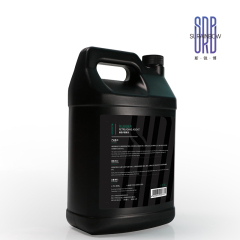
Product Overview
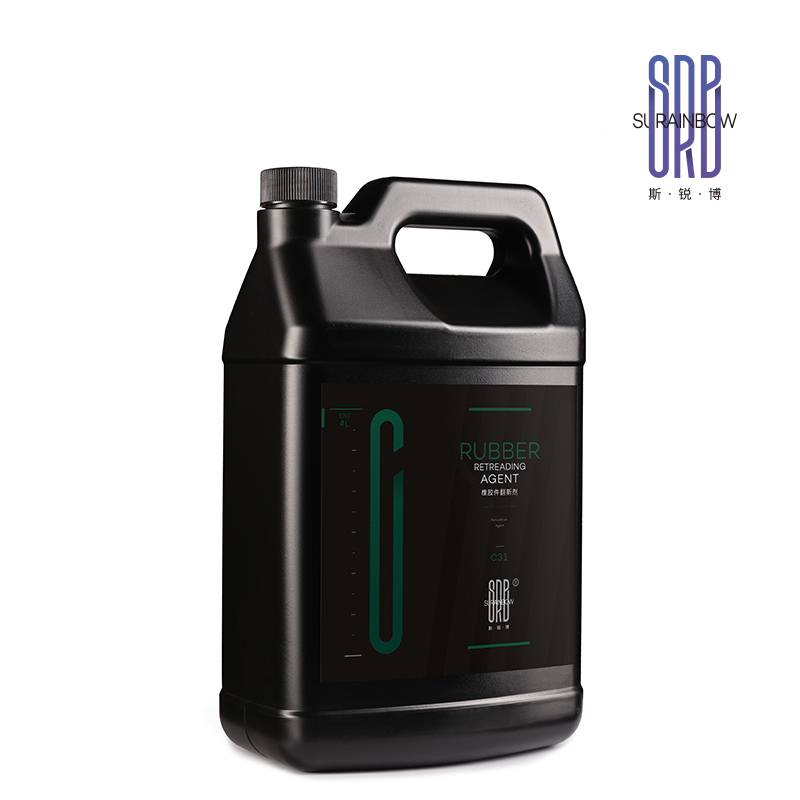
SRB Rubber Retreading Agent is a penetrating restorer for exterior trim that has gone grey. Detailers use it as the last step of an exterior job, dealer prep teams use it to lift a trade-in before it reaches the forecourt, and importers stock it as the trim line that finishes a wash-and-protect range. For a car rubber trim restorer, the job is subtly different from a paint product. Trim is textured and moves every time a door or window does, so anything that dries hard will crack off within a few cycles. This formula stays in the rubber and the plastic instead of forming a shell over it, which is why the same bottle can be used on window runs and door seals as well as on solid bumper sections. Shops that buy it by the case treat it as a rubber restorer wholesale line rather than a single-purpose bottle: one liquid covers every unpainted exterior part on a car, so shelf space goes to one item instead of five, and the person applying it does not have to decide which dressing belongs on which material.
Grey turns black again — the liquid penetrates faded trim and brings the original dark colour back up, which is what a faded black trim restorer is judged on; the part reads as original trim rather than as a repainted panel.
Works into the material — it soaks into rubber, vinyl and plastic instead of forming a film on top, so the trim stays flexible and there is no edge to lift or flake.
UV screening in the finish — what stays in the surface after buffing acts as a rubber uv protectant, cutting the sunlight that breaks trim down and turns it grey in the first place.
Colour depth without a lacquered look — the finish settles to the part's own sheen, so textured bumper plastic still reads as textured rather than as a glossy painted panel.
One liquid across three materials — rubber, vinyl and plastic all take the same formula, so a shop can work with a single plastic trim restorer supplier for the whole exterior instead of matching a different dressing to every part.
A straightforward line to stock — distributors take it as a rubber restorer wholesale item because one trim answer covers every car on the lot, and it sits naturally beside wash, glass and interior lines in the same order.
Quality & Batch Records
| Property | Detail |
|---|
| Quality reference | Approved sample and written specification |
| In-process checks | Appearance, colour and fill checked during production |
| Seal and leak check | Cap and jug checked before carton packing |
| Batch records | Kept for every production run by the plastic trim restorer supplier |
| Retained samples | Held by the rubber trim restorer manufacturer for later comparison |
| Label control | Printed label matched against the approved artwork |
| Packaging or leakage issue | Report within 7 days of receipt |
| Product quality concern | Report within 30 days of receipt |
| What to include in a report | Order or sample reference, batch number, affected quantity, photos or video |
Restoration Limits
Trim that is physically damaged will not come back. Deep scratches, split rubber, missing clips and parts that have been painted body colour are all outside what this liquid can do, because it restores colour rather than structure. Work on sound, unpainted material and test a small hidden area first, since a heavily textured or previously dressed surface can take the product unevenly. How much colour returns depends on the material and how long it has been faded. Recently greyed trim and trim that has been fading for years will not finish at the same shade, and chalky rubber often needs the excess buffed away and a second thin pass. A faded black trim restorer is judged on the part itself, so let the result dry before deciding whether another coat is needed — photographs flatter the finish. The protection is a maintenance layer, not a permanent shield. Sun, repeated washing and traffic film wear it back, and the honest expectation for any rubber uv protectant is that the trim stays dark for a while and is then treated again — the cycle rubber restorer wholesale buyers plan around. Cars that live outdoors and are washed often need topping up sooner than a garaged vehicle.
Where It's Used
- Bumpers, valances and lower panels — the classic black plastic trim restorer job: unpainted lower sections that take the most sun and road spray, worked in sections with a sponge until the grey lifts.
- Window runs and door seals — rubber that has dried out and gone chalky; a rubber plastic trim restorer that stays in the material darkens the seal without leaving an oily line along the glass.
- Wheel arch mouldings and side skirts — long textured runs that fade unevenly from panel to panel; doing a whole run in one pass gives an even car rubber trim restorer finish instead of a patchy one.
- Mirror shells, door handles and wiper cowls — small unpainted parts that are usually replaced when they fade; a pass with the sponge is quicker than ordering a replacement cover.
- Dealer and rental fleet prep — trade-in and rental cars where grey trim makes an otherwise clean vehicle look tired; the trim pass belongs at the end of a normal valet, not as a separate job.
- Photography and resale preparation — cars being listed for resale, where faded bumpers read as neglect in a photo; treating the trim before the shoot changes how the whole car is judged.
Product Details
| Property | Detail |
|---|
| Product type | Penetrating restorer for rubber, vinyl and plastic trim |
| Item code | No.C31 |
| Made by | A rubber trim restorer manufacturer in Guangzhou, China |
| Surfaces | Rubber, plastic, vinyl and ethylene parts |
| Form | Ready-to-use liquid, no dilution |
| Application tool | Sponge or applicator pad |
| Finish | Original dark tone with the part's own sheen |
| Protection | UV screening that slows fading and ageing |
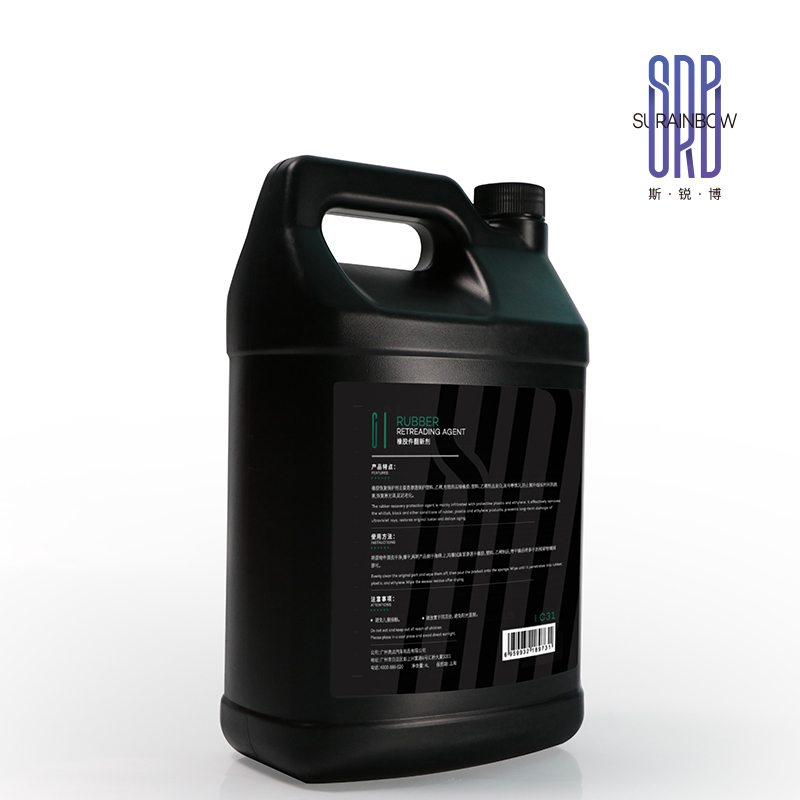
| Method | Wipe on until it penetrates, buff off the excess after drying |
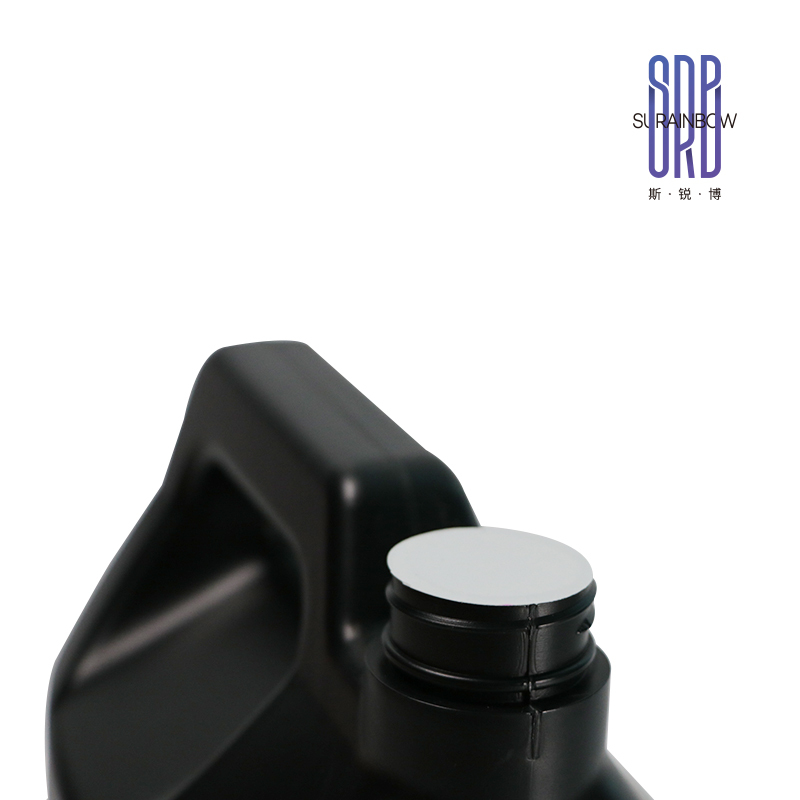
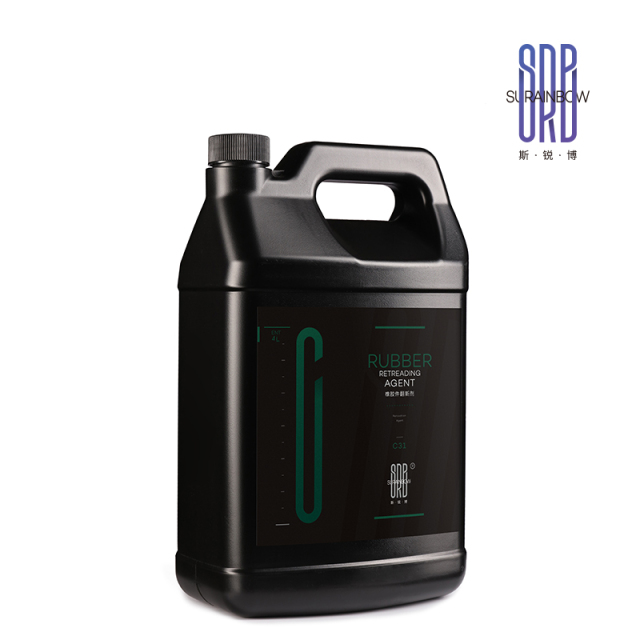
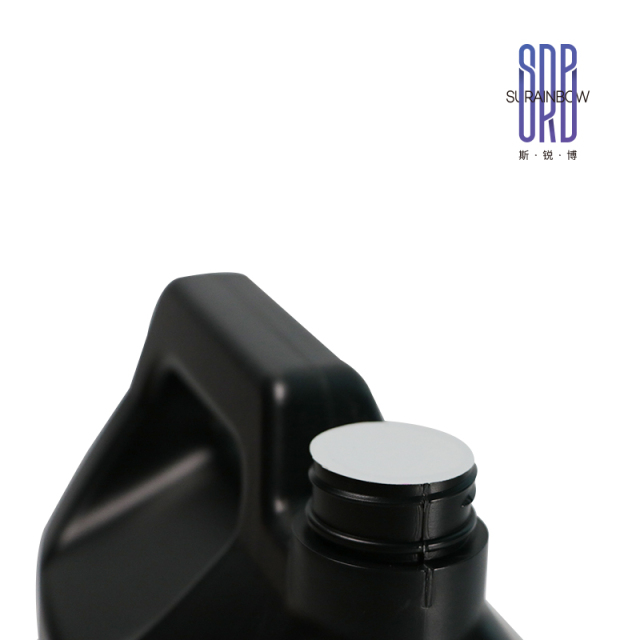
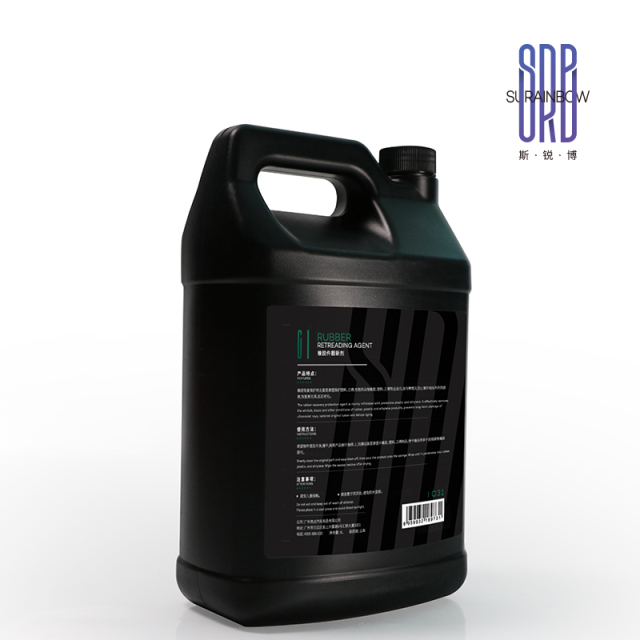
| Container | Jug with integrated carry handle and screw cap |
| Pack size | Confirmed per order |
Application & Maintenance
- Clean the part first. Wash the trim, rinse it and let it dry completely; the liquid goes onto bare, dry material, not over dust or an old dressing.
- Pour a little onto a sponge. Use a clean sponge or applicator pad and add more as it soaks in — this is a wipe-on product, not a spray.
- Work it into the surface. Wipe along the part until this rubber plastic trim restorer has soaked into the rubber, plastic or vinyl, pressing into textured trim so the grain is covered.
- Give a second thin pass on hard-faded parts. Trim that has been grey for a long time takes two light passes over the same area better than one heavy one.
- Let it dry, then buff off the excess. Once the surface has dried, wipe the residue away with a clean cloth so the black plastic trim restorer leaves the trim dry to the touch.
- Keep it clean between treatments. Wash with a pH-neutral shampoo, keep wax and polish off unpainted trim, and repeat the treatment when the colour starts to lift.
Samples, Packaging & Delivery
- Tell us what you are treating. Send the trim types, the pack format you want, your target quantity and the destination market, so the offer is built around your brief rather than a generic list.
- Ask about a sample. Confirm sample availability with your sales contact, then test the liquid on the faded parts you actually see — most rubber restorer wholesale buyers decide once their own team has watched the colour come back.
- Approve the sample as the reference. Keep the approved piece sealed and labelled; as a rubber trim restorer manufacturer we check every bulk run against that sample, not against a photograph.
- Proof the packaging. Label artwork, language, barcode and carton marks are reviewed and signed off before production, so the printed jug is right for your market.
- Confirm quantity, documents and balance. Minimum order quantity, price and payment stages are set in the commercial offer alongside the documents you need — safety data sheet with composition and handling information, certificate of analysis, GHS label information, commercial invoice and packing list. If you are appointing a plastic trim restorer supplier for the first time, settle the paperwork before production rather than after.
- Take delivery. Standard lines are held for immediate dispatch, and in stock and fast shipping is the service level we work to on repeat orders.
Scale & Supply Capability
SURAINBOW is run by Guangzhou Liangdian Automotive Supplies Co., Ltd., a factory-trade operation set up in Guangzhou in 2010 and now 50 people strong. We take OEM and ODM work and our R&D team develops to your specification. Buyers in the Middle East, the United States, Southeast Asia, Europe, the UK, Russia, Africa and Australia already order from us.
FAQ
My bumpers have gone light grey. Will this bring them back to black?
Yes — that is exactly what a faded black trim restorer is for. It penetrates the faded surface and restores the original dark colour instead of laying a film over it, so the part goes back to looking like unpainted trim rather than like it has been painted. How dark it comes back depends on the material and how long it has been faded; badly chalked trim often needs the residue buffed away and a second thin pass.
Which materials can I use it on?
Rubber, vinyl, plastic and ethylene parts — window runs, door seals, bumper trim, mirror shells, mouldings and similar unpainted exterior components. A rubber plastic trim restorer has no job on painted body panels or body-colour trim, so mask or work carefully around them, and test a small hidden area first on anything you are unsure about, because different plastics take the liquid at different rates.
Can I treat door seals and window rubbers without getting it on the glass?
Yes. Run the sponge along the seal, work the liquid into the rubber, then buff the excess off once it has dried. Any film that touches the glass wipes away with a damp cloth while it is still wet. This is the part of the car where a car rubber trim restorer earns its place, since the seals are usually the first parts to look tired and the last to be replaced.
How does the UV protection actually work?
Material stays in the surface after the excess is buffed away, and that layer screens sunlight — the same sunlight that turns rubber and plastic grey in the first place. It is protection, not a permanent shield: washing, weather and traffic film wear it back, and a rubber uv protectant finish is renewed with another treatment when the colour starts to lift.
Will it leave a greasy shine that attracts dust?
The finish is the part's own sheen rather than a wet gloss, provided you buff the excess away once it has dried. Trim left with residue still on it will look glossier and hold dust longer, so the final dry-cloth pass matters. Where a black plastic trim restorer is judged, dry to the touch and even in colour is the result to aim for.
Do I have to dilute it or mix it with anything?
No. It is used as supplied — pour it onto a sponge or applicator pad and work it into the trim. There is no water ratio to get wrong on site, which also means two staff members applying it on the same car will finish with the same colour.
What should I do if I get it on paint or glass?
Wipe it off straight away with a damp cloth while it is still wet. It is made for unpainted rubber, vinyl and plastic, so it has nothing to do on a painted panel or a windscreen, and the longer it sits the more effort it takes to remove. Tape or mask awkward edges if you are treating trim that runs tight against paint.